%2Ffit-in%2F250x250%2Fguide_websites%2F15320%2Fimages%2F1715139588824ef63d417495ba29a9627c5413d026d7c-removebg-preview.png&w=1920&q=100)
Sauger Fishing in Lake Erie PA - Charter with Captain Shopene
Sauger Fishing in Lake Erie - What to Expect
%2F%2Fusers%2Fdfccc06b-2981-4c2f-9089-8fe7c8b88282%2Fimages%2Ferie-pa-sauger-fishing-success-2711.jpg&w=1920&q=75)
Fishing Charter by Captain Matthew Shopene in July
- Memorable experience in Lake Erie Fishing Charters


Summary
Join a fishing charter on Lake Erie with Captain Matthew Shopene of Dog's Life Sport Fishing for an authentic sauger experience. This Friday in July delivers prime conditions for targeting one of the region's most prized walleye cousins. Local expertise meets consistent action on every outing.
Sauger Fishing with Captain Matthew Shopene - Rates & Booking
Captain Matthew Shopene of Dog's Life Sport Fishing operates out of Erie, PA on Friday, July 31st, delivering consistent action targeting sauger on Lake Erie. This fishing charter puts you directly on one of the region's premier walleye fisheries where sauger thrive in deeper structure and current breaks. Captain Shopene brings years of local knowledge targeting these aggressive predators using proven techniques that maximize your time on active fish.
To book your sauger fishing charter, contact Dog's Life Sport Fishing directly for current rates and availability. Captain Shopene customizes each outing based on seasonal patterns, water conditions, and target species. His approach combines traditional jigging methods with modern sonar technology to locate and catch sauger consistently throughout the season.
Highlights of Your Lake Erie Sauger Charter
Sauger fishing on Lake Erie offers excellent catch rates and quality action that keeps your rod loaded. These aggressive fish respond well to vertical presentations in deeper water, making Lake Erie's structure ideal for targeting them. Fresh catches like those displayed on the deck become the norm on these charters, with multiple species opportunities throughout your outing.
The experience combines technical fishing with the natural beauty of Lake Erie. Captain Shopene positions the boat precisely over productive zones where sauger congregate, particularly around submerged structure and current edges. This hands-on approach ensures you're fishing productively rather than searching, maximizing your success rate and overall satisfaction.
Local Species Insights: Sauger on Lake Erie
Sauger represent one of Lake Erie's most underrated sport fish, offering aggressive feeding behavior and excellent table quality. These close relatives of walleye possess distinctive dark blotches on their sides and prefer deeper water with structural elements. On Lake Erie, sauger thrive in depths ranging from 25 to 45 feet, particularly around drop-offs, reefs, and current-producing areas where baitfish concentrate.
The prime Lake Erie sauger season runs from spring through fall, with particularly strong action during summer months when water temperatures stabilize. Sauger exhibit crepuscular feeding patterns, meaning they're most active during low-light periods, though consistent daytime action occurs in deeper zones. These fish respond exceptionally well to vertical jigging with live bait or soft plastics, making them ideal for anglers seeking active engagement with their catch.
Captain Shopene's expertise in reading lake conditions and identifying prime sauger habitat ensures you're positioned for consistent encounters. His knowledge of seasonal migration patterns, preferred depth zones, and structural elements specific to Lake Erie translates directly into more fish and better fishing. Sauger schools often concentrate in predictable locations once you understand the environmental factors that attract them, and Captain Shopene leverages this understanding on every charter.
The fight characteristics of sauger differ from walleye in important ways. Sauger deliver powerful head shakes and aggressive runs, particularly when hooked in deeper water on vertical presentations. This fighting style, combined with their tendency to school, creates exciting rapid-fire action when you locate an active school. The combination of consistent action and quality fish makes sauger charters a premium experience on Lake Erie.
Fishing in Lake Erie: Sauger
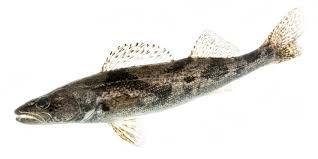
Sauger Overview
The Sauger (Sander canadensis) is a fascinating freshwater game fish belonging to the order Perciformes and family Percidae—the same family as walleye and perch. This bronze to olive-colored fish sports distinctive dark blotches along its elongated body and sports a pristine white belly that makes it instantly recognizable to seasoned anglers. What really sets the sauger apart is its rough texture, thanks to specialized teeth-like scales called ctenoid, and its striking absence of a white-tipped tail—the key feature that separates it from its close cousin, the walleye. Found throughout the central and eastern United States, particularly thriving in the muddy waters of major river systems and reservoirs, the sauger has earned its reputation as an aggressive game fish that attracts anglers from across the country seeking an exciting challenge.
One of the most intriguing facts about saugers is their occasional hybridization with walleye, creating a unique hybrid species called the "saugeye" that combines traits from both parents. This remarkable natural occurrence underscores how closely related these species truly are, yet the sauger remains distinctly valued by fishing communities for its spirited fight and surprisingly good eating qualities.
Sauger Habitat and Distribution
Saugers are light-sensitive specialists that prefer the dim, murky environments of muddy rivers, lakes, reservoirs, and tributaries where they can hunt under cover of darkness and reduced visibility. These bottom-dwelling fish thrive in warm waters ranging from 68 to 82.4°F and demonstrate a strong preference for hiding in vegetation, rocky crevices, and submerged structures where they can rest undisturbed during daylight hours. Their remarkable adaptability and highly migratory nature have allowed them to spread across much of North America, with their native stronghold centered in the Missouri and Mississippi River systems and the Great Lakes region.
Today, anglers can pursue saugers from New York to Alabama in the east, and from Wyoming to Oklahoma in the western portions of their range, with notable populations in Kentucky, Montana, and Ohio. Some of the most legendary sauger fishing destinations include Lake Sakakawea in North Dakota, Fort Peck in Montana, and the Cumberland River spanning Tennessee and Kentucky. These waters have become pilgrimage sites for dedicated sauger enthusiasts seeking trophy catches and consistent action throughout the fishing season.
Sauger Size and Weight
Saugers are classified as small to medium-sized fish, with typical specimens measuring between 12 to 13 inches in length and weighing around 1 pound. However, these fish have demonstrated impressive growth potential under the right conditions. The largest recorded sauger ever caught weighed a remarkable 8 pounds, while the longest specimen reached an impressive 21.8 inches. These maximum sizes represent exceptional catches that inspire anglers to refine their techniques and explore prime fishing waters. Understanding the average size range helps anglers set realistic expectations while remaining vigilant for the occasional trophy fish that exceeds typical proportions.
Sauger Diet and Behavior
As opportunistic bottom-feeders, saugers primarily consume insects, small crustaceans, and diminutive fish species that venture near their hiding spots. Their diet reflects their nocturnal hunting tendencies—they're equipped with specialized eyes adapted for low-light feeding, making them voracious hunters during dawn, dusk, and nighttime hours when visibility decreases and their sensory advantages shine brightest. During daylight, they remain largely sedentary, retreating to deeper waters, vegetation, and structural cover where they await the cover of darkness to become more active and aggressive hunters.
The species is known among anglers for its aggressive disposition when it does decide to feed, often striking with fierce determination that sends experienced fishermen's hearts racing. This combative nature, combined with their preference for spending daylight hours hidden away, requires patience, persistence, and strategic knowledge from anyone hoping to connect with these elusive predators.
Sauger Spawning and Seasonal Activity
Saugers enter their spawning season during March through May, when they become more catchable and aggressive as they prepare for reproduction. During this prime window, these fish are known to be particularly active and willing to strike lures and bait as their metabolism increases and feeding intensity peaks. Interestingly, saugers exhibit a rather laissez-faire approach to parenting—they lay their eggs in seemingly random locations throughout their habitat and then abandon them without any guarding behavior or nest maintenance, leaving their offspring to fend for themselves from the moment of hatching.
This spawning activity represents the most reliable period for consistent sauger fishing success, making spring one of the most anticipated seasons for dedicated anglers targeting this species across their range.
Sauger Techniques for Observation and Capture
Night and Early Morning Jigging: Since saugers are light-sensitive predators that feed most actively during low-light conditions, your best bet is to fish during nighttime or the first few hours after dawn. Focus on muddy areas with vegetation, fallen branches, and other structural cover where these fish hide during daylight. Use vertically-oriented jigs in bright colors like chartreuse, white, and orange—colors that stand out in murky water. Cast your jigs to the bottom (saugers typically hold at depths of 25 to 40 feet) and slowly retrieve with a lifting motion to tempt fish out of their hiding holes. This methodical approach rewards patience and persistence with exciting strikes.
Bottom Bouncing with Live Bait: Equip yourself with a seven to nine-foot rod rated for six to eight-pound test line, paired with a three to five-ounce bell sinker that keeps your bait on the bottom where saugers hunt. Use an eight to twelve-pound monofilament or braided line and attach hooks sized from #1 to 3/0 depending on your bait selection. Live minnows, crayfish, nightcrawlers, shiners, shad, and small panfish all work exceptionally well. Cast your rig into promising holes and structure, slowly retrieve along the bottom with gentle lifts to mimic injured prey.
Localized Tip—Great Lakes and Reservoir Success: Around major reservoirs like Lake Sakakawea and Cumberland River, focus on transition zones where muddy river channels meet clearer main-lake water. These boundaries concentrate saugers as they move between daytime refuge and nighttime feeding grounds. Fish the deeper edges of these zones during mid-evening to predawn hours for your best opportunities.
Sauger Culinary and Utilization Notes
Saugers offer average odds when evaluated purely for culinary quality, though their meat remains palatable and enjoys local appreciation in traditional fishing communities. The white, mild-flavored flesh works well in pan-frying, baking, and fish fries, particularly when prepared fresh shortly after capture. While not considered a premium food fish like walleye, sauger makes for respectable table fare that shouldn't be overlooked. Many regional restaurants and fish camps feature sauger on their menus during peak seasons, reflecting both its availability and acceptable taste profile. Anglers often find the experience of catching and preparing their own sauger more rewarding than the flavor alone might suggest.
Sauger Frequently Asked Questions
Q: What is the best bait for catching sauger?
A: Live minnows, crayfish, nightcrawlers, shiners, and shad all produce excellent results. The choice often depends on local availability and water conditions. Bright-colored jigs in chartreuse and white also work exceptionally well when jigging deep structure. Start with what's locally abundant and be prepared to experiment.
Q: Where can I find sauger near major fishing destinations?
A: Lake Sakakawea in North Dakota, Fort Peck in Montana, and the Cumberland River spanning Tennessee and Kentucky represent world-class sauger fisheries. Major river systems like the Missouri and Mississippi, plus Great Lakes tributaries, hold consistent populations throughout their native range from Wyoming to New York.
Q: Is sauger good to eat?
A: Yes, though they're considered average to good food fish rather than premium table fare. The white meat has a mild flavor and works well when pan-fried or baked fresh. Many anglers appreciate the full experience of catching and preparing their own sauger, even if the flavor alone doesn't rival walleye or other species.
Q: When is the best time to catch sauger?
A: Spring spawning season from March through May offers peak activity and catchability. During regular seasons, fish during nighttime hours and early morning when these light-sensitive fish are most active and aggressive. Avoid bright midday conditions when saugers retreat to deep cover and refuse to feed.
Q: How do I distinguish a sauger from a walleye?
A: The easiest way is to check the tail—saugers lack the distinctive white tip found on walleye tails. Saugers also have rougher skin due to their ctenoid scales, and tend to inhabit muddier water. When in doubt, examine that tail carefully.
Q: What equipment do I need for sauger fishing?
A: Use a seven to nine-foot rod rated for six to eight-pound line, paired with three to five-ounce bell sinkers for bottom fishing. Eight to twelve-pound monofilament or braided line works well. Hooks range from #1 to 3/0 depending on your bait, and bright-colored jigs in sizes that match your target depth prove highly effective for vertical jigging presentations.